
2025
Revoice--Language rehabilitation therapy based on electroenc
Entrant Company
China Academy of art
Category
Student Submission - Student Portfolio Design
Client's Name
Chen Qingyu /Tang Jiamu
Country / Region
China
Design Brief
Background
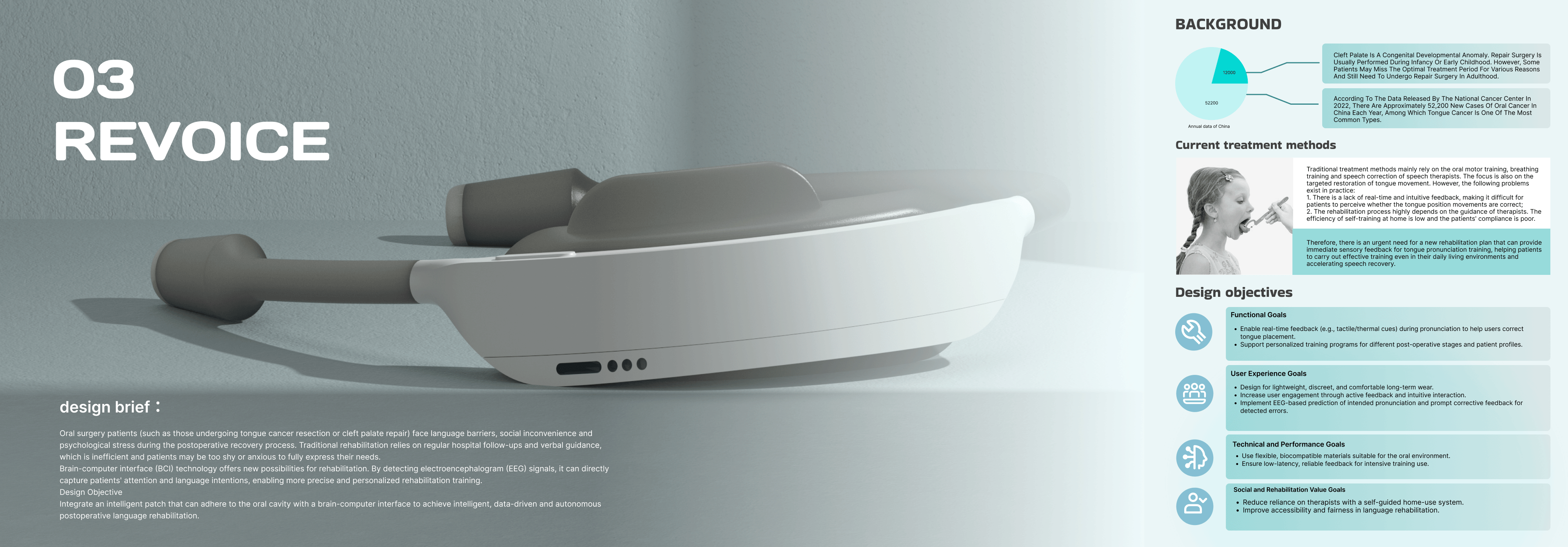
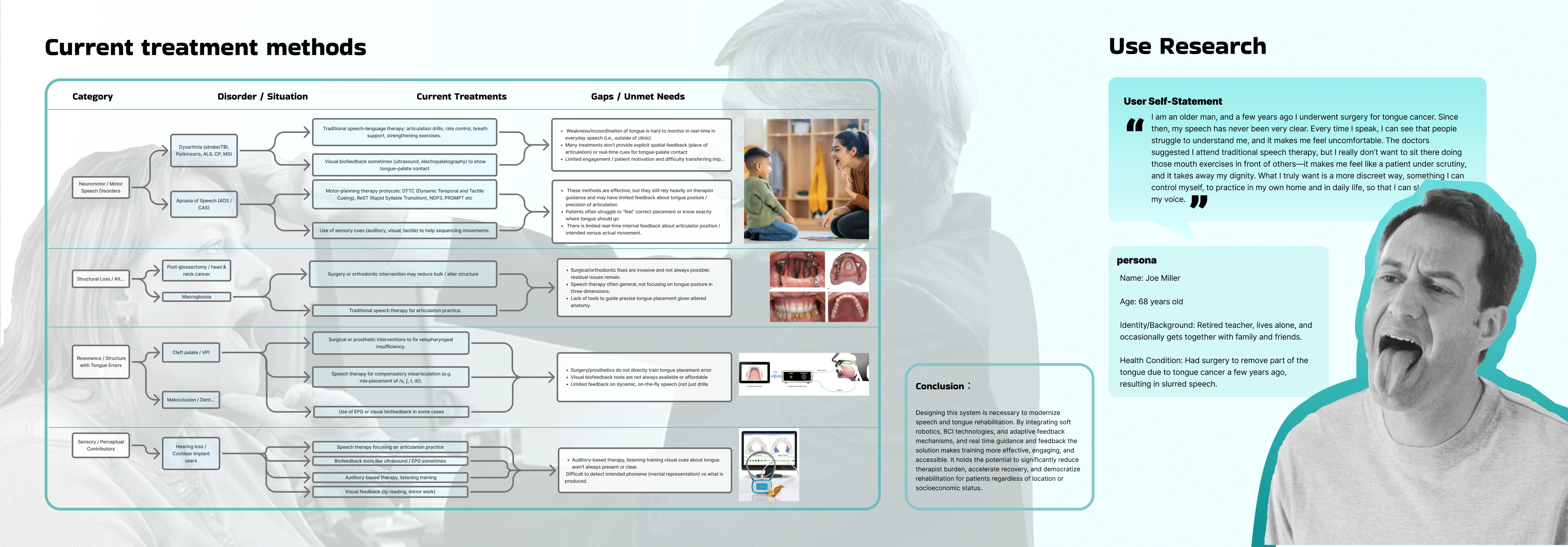
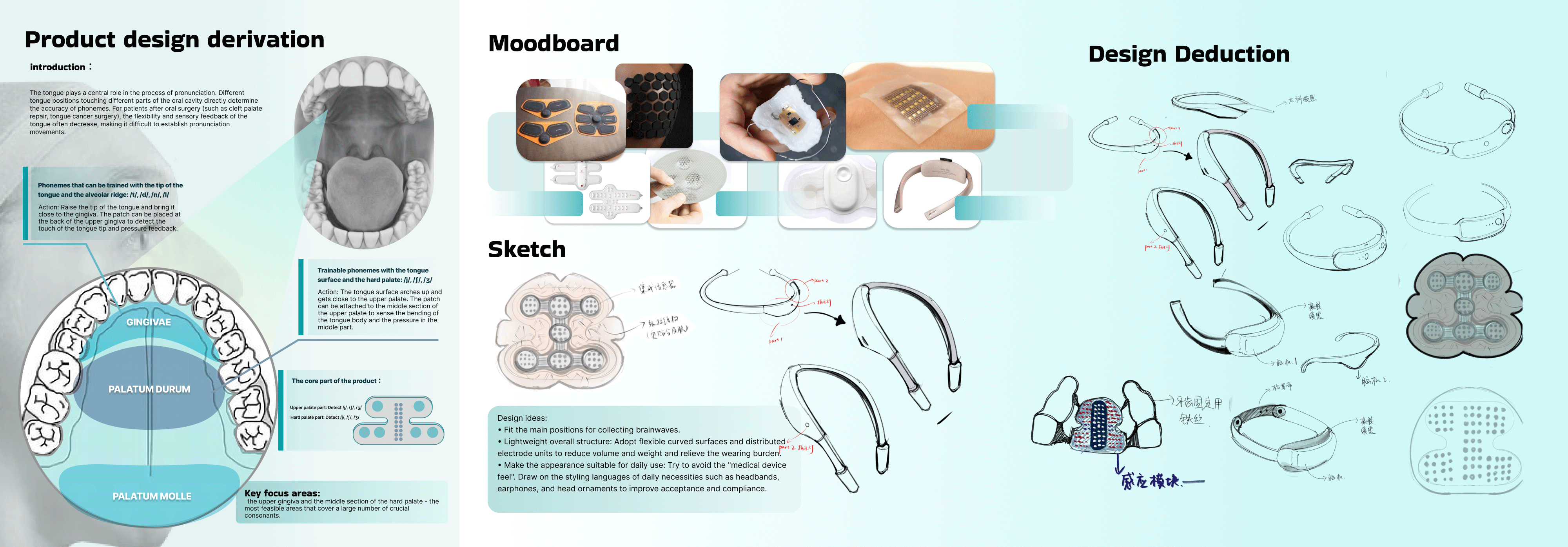
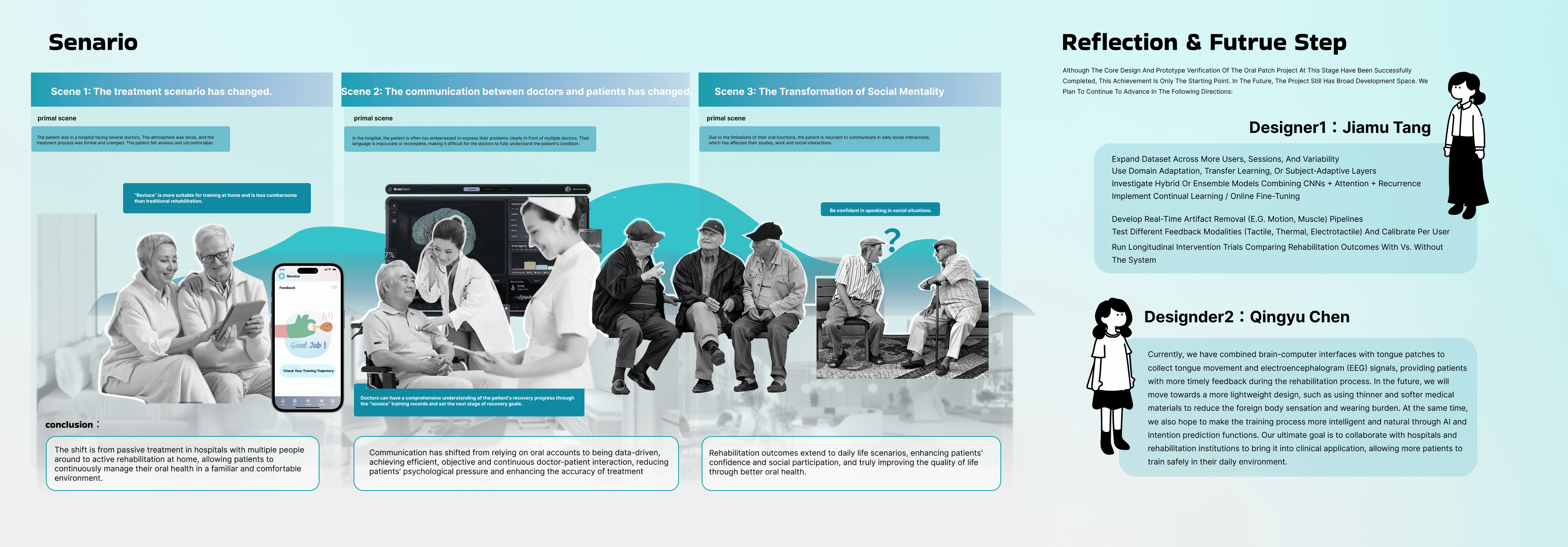
Patients undergoing oral surgeries—such as tongue cancer resection or cleft palate repair—often face challenges in speech recovery, social interaction, and psychological adjustment. Traditional rehabilitation relies on hospital-based follow-ups and verbal instructions, which are often inefficient. Many patients feel embarrassed or anxious, making it difficult to express their needs openly.
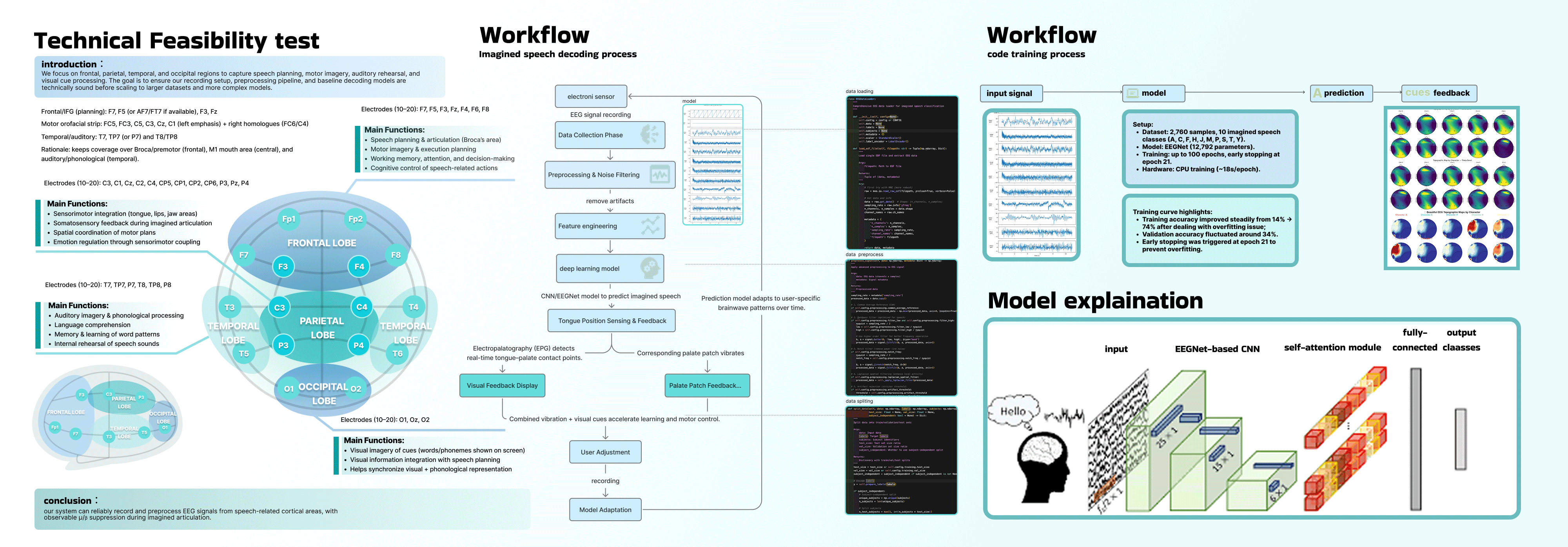
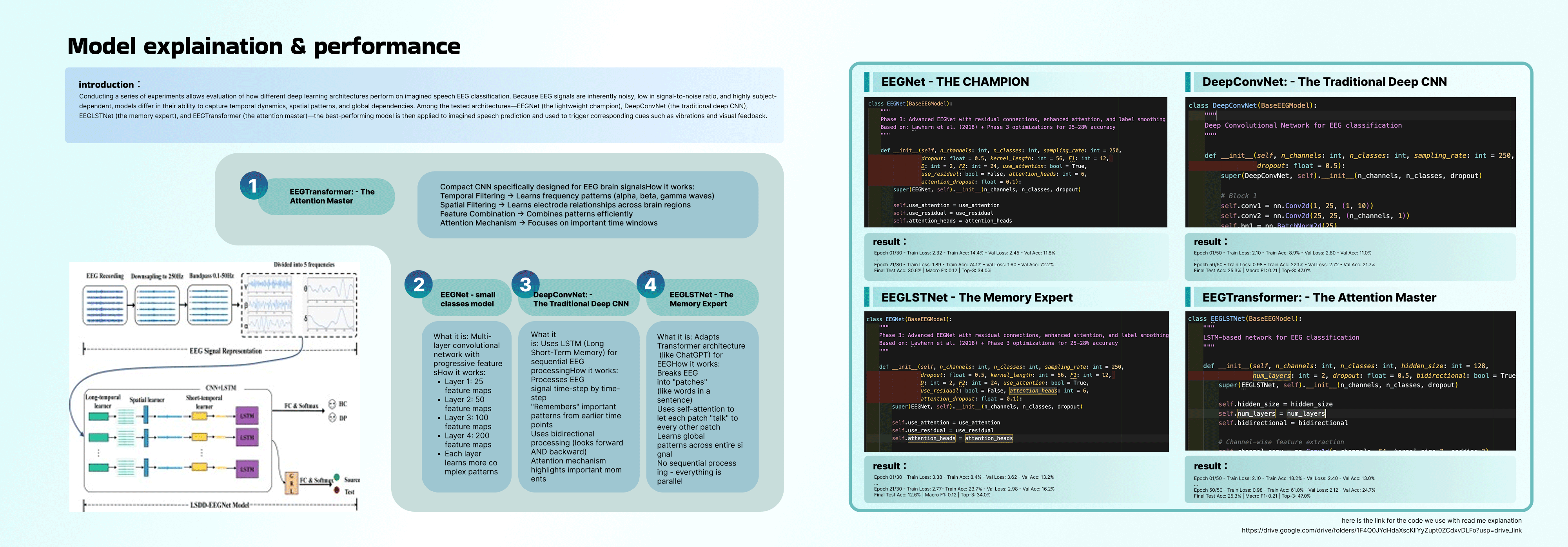
Brain–Computer Interface (BCI) technology introduces new possibilities for rehabilitation. By detecting brainwave signals, it can capture a patient’s attention and speech intent directly, enabling more precise and personalized training.
Design Objective
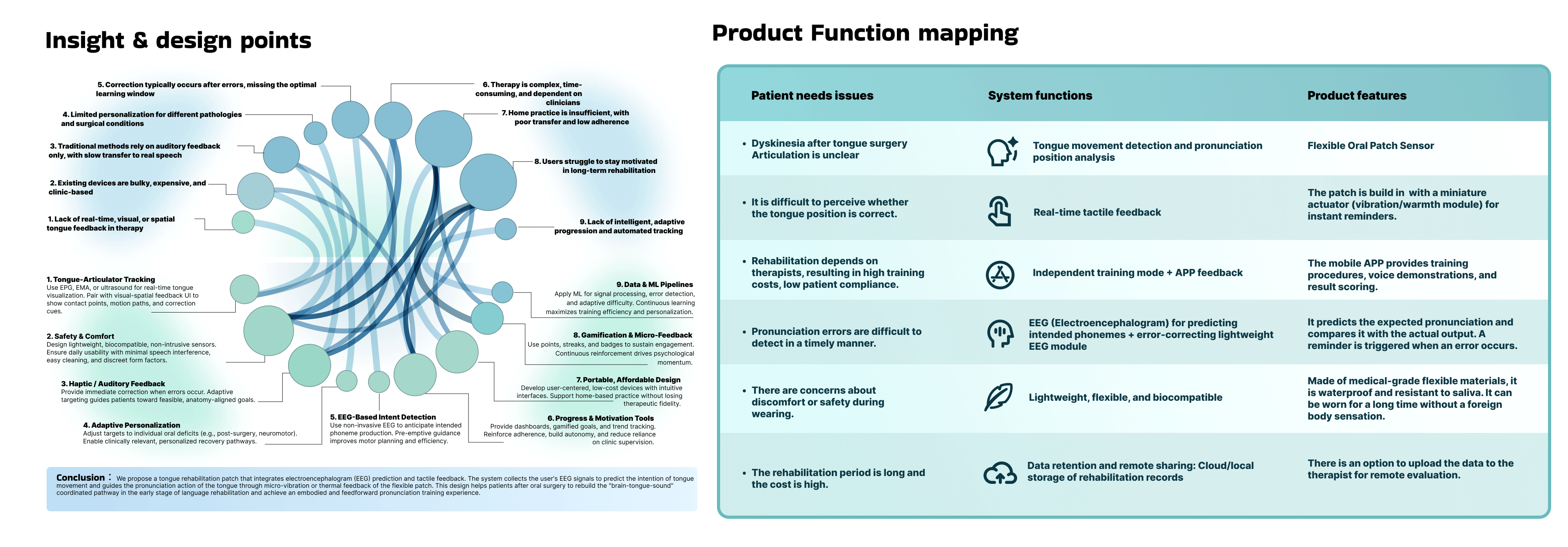
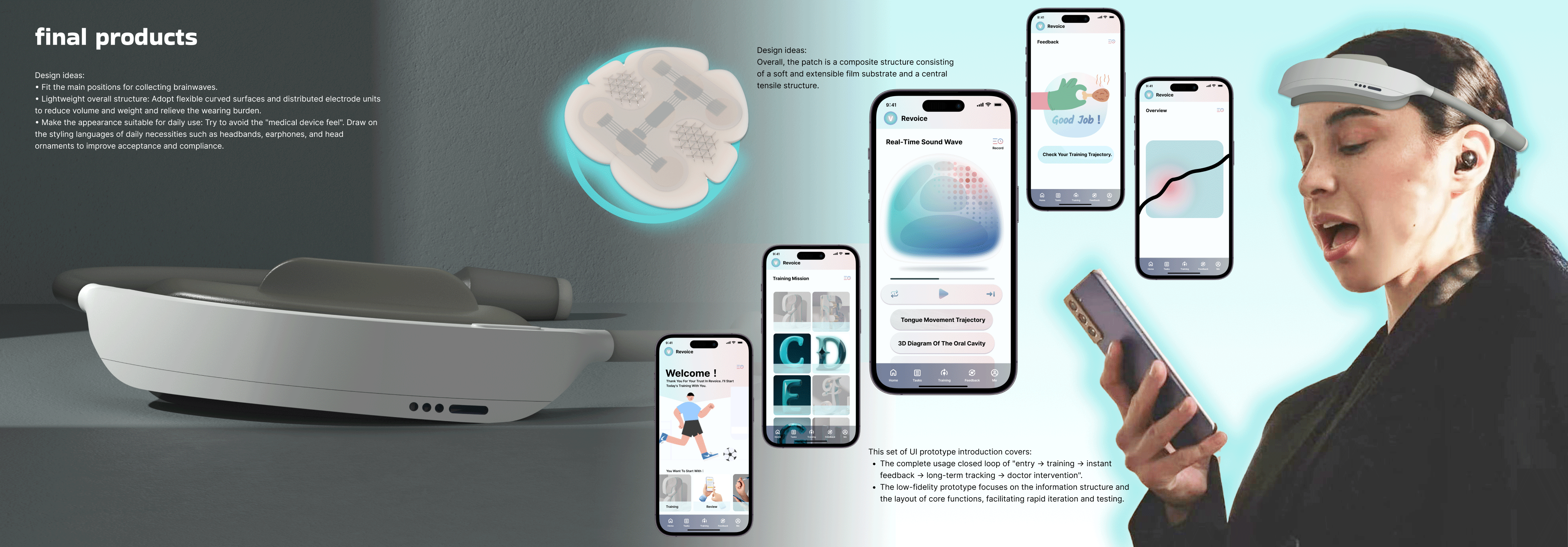
This project integrates a flexible oral rehabilitation patch with BCI technology to achieve intelligent, data-driven, and self-directed post-surgical language recovery. The system is designed to:
• Monitor tongue and oral motion data
• Capture the patient’s speech intent and attention state
• Provide personalized training programs and real-time feedback
• Enable doctors to remotely track and guide rehabilitation progress
Project Vision
To develop an intelligent rehabilitation system that accompanies patients throughout the entire recovery process—combining oral motion sensing with brain–computer interface feedback—to enable data-driven personalization, everyday training, and improved social communication, allowing technology to truly merge with patients’ daily lives
Credits

Entrant Company
Avalore Agency
Category
Publication - Annual Report
Country / Region
United States
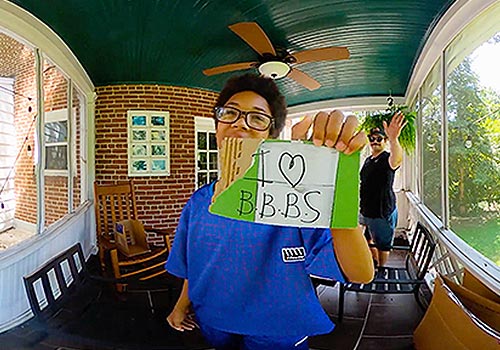
Entrant Company
Director
Category
Website - Nonprofit
Country / Region
United States
Entrant Company
Think Creative Agency
Category
Corporate Identity - Brand Identity
Country / Region
Australia
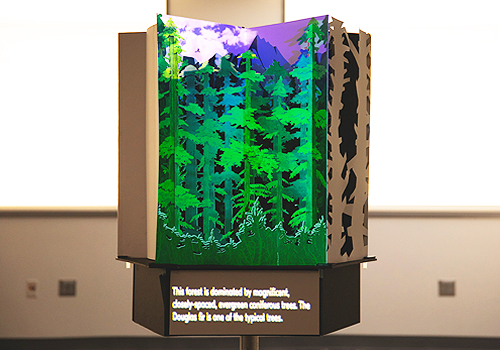
Entrant Company
New York University
Category
Student Submission - Student Experiential Design (NEW)
Country / Region
United States